
Screen time is one of the most searched parenting topics, and many parents wonder if their child is spending too much time on devices. The truth is, it’s not just about the number of hours on a screen – it’s also about what children are watching and how much time they are spending playing, moving, talking and connecting with others.
Screens can be a useful tool for learning and entertainment, but too much screen time can sometimes affect sleep, behaviour, attention and opportunities for active play. Finding a healthy balance is the key.
Signs your child may be getting too much screen time:
👉🏼 They become upset or have meltdowns when the device is turned off.
👉🏼 They are less interested in outdoor play, toys or family activities.
👉🏼 Their sleep routine is affected, especially if screens are used before bed.
👉🏼 They struggle to concentrate or become easily frustrated.
👉🏼 They are spending more time on devices than connecting with family and friends.
Simple ways to create healthy screen habits:
👍🏼Have screen-free times, such as during meals and before bedtime.
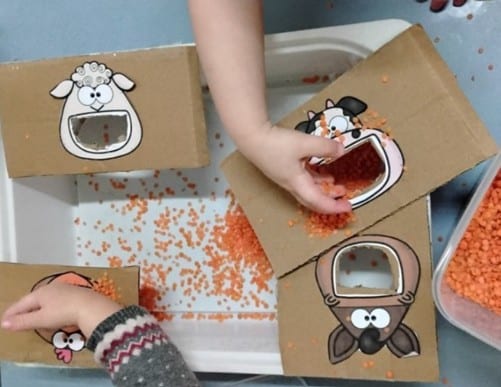
👍🏼Encourage outdoor play, reading, craft and imaginative games.
👍🏼Watch or play together when possible and talk about what your child is seeing.
👍🏼Set clear and consistent boundaries around device use.
☝🏼Remember that children learn best through real-life experiences, play and connection.
Screens are part of everyday life, and there is no need for parents to feel guilty about using them from time to time. The goal is balance. When children have plenty of opportunities to play, explore, move and connect with others, healthy screen habits become much easier to achieve.
For more information on recommended screen time, click on the Australian Government – Australian Institute of Family Studies link
https://aifs.gov.au/resources/short-articles/too-much-time-screens